how much of a calorie deficit should i have How to calculate your calorie deficit
Many people in today’s society consume more calories than their bodies need to maintain a healthy weight. This overconsumption of calories can lead to weight gain and a number of health problems, including obesity, diabetes, and heart disease.
Image 1: Proper Nutrition is Key to Maintaining a Healthy Weight
 One of the primary reasons people consume excess calories is due to a lack of understanding about proper nutrition and portion sizes. It is important to educate oneself about the nutritional content of different food items and develop mindful eating habits. By doing so, individuals can ensure they are providing their bodies with the energy and nutrients they need without going overboard.
Creating a balanced and nutritious meal plan is essential for maintaining a healthy weight. It is crucial to include a variety of fruits, vegetables, whole grains, lean proteins, and healthy fats in our diet. These food groups offer a wide range of nutrients our bodies require, such as vitamins, minerals, fiber, and antioxidants. Building meals around these components ensures that our bodies receive the necessary nutrients while also promoting overall health and well-being.
Image 2: The Importance of Regular Exercise in Achieving Optimal Health
 Accompanying a well-balanced diet, regular physical exercise is vital for achieving and maintaining optimal health. Engaging in physical activity helps burn calories and build lean muscle mass, which in turn increases our metabolic rate. This results in a more efficient calorie burn and aids in weight management.
Exercise offers numerous benefits beyond weight control. It strengthens our cardiovascular system, improves endurance, increases flexibility, and boosts overall mood. Regular physical activity also reduces the risk of chronic diseases such as heart disease, type 2 diabetes, and certain forms of cancer.
When designing an exercise routine, it is important to include a variety of exercises that focus on both cardiovascular fitness and strength training. Cardio exercises, such as running, swimming, or cycling, elevate the heart rate and provide an effective calorie burn. Strength training exercises, such as weightlifting or bodyweight exercises, help build muscle mass and increase the metabolic rate, leading to long-term weight management.
In conclusion, maintaining a healthy weight requires a balanced approach that incorporates proper nutrition and regular exercise. By educating ourselves about nutrition, understanding portion sizes, and building a well-rounded exercise routine, we can achieve and maintain optimal health. Remember, it’s not just about the numbers on the scale – it’s about nourishing our bodies and supporting our overall well-being. Let’s make informed choices and prioritize our health!
If you are looking for How Many Calories Should I Eat To Have A Calorie Deficit - SWOHM you’ve came to the right page. We have 5 Pics about How Many Calories Should I Eat To Have A Calorie Deficit - SWOHM like Pin on Health and fitness meal, Many people consume more calories than they need to maintain their and also Pin on Health and fitness meal. Read more:
How Many Calories Should I Eat To Have A Calorie Deficit - SWOHM
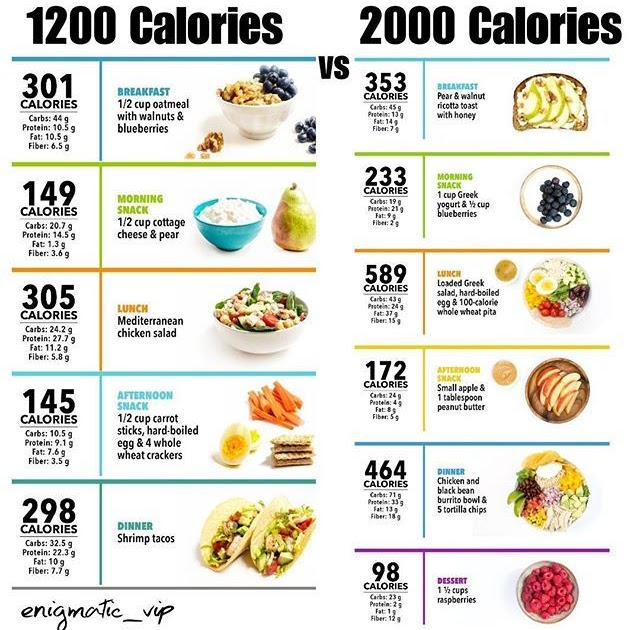
Many People Consume More Calories Than They Need To Maintain Their
www.pinterest.comdeficit calories lose maintain
Pin On Health And Fitness Meal
www.pinterest.comdeficit calories foods caloric lose sabaforlife salvat
How To Calculate Your Calorie Deficit | POPSUGAR Fitness
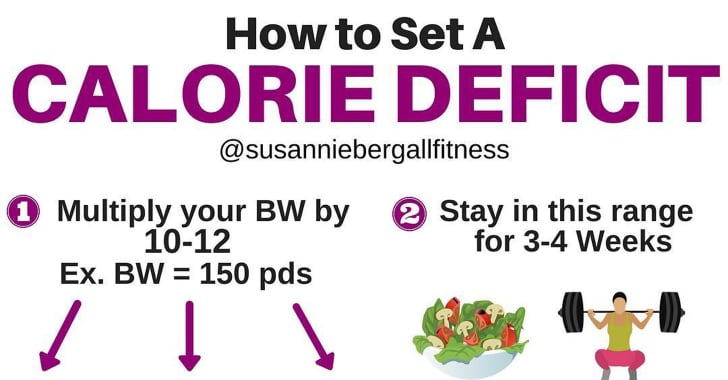 www.popsugar.comdeficit calorie weight calculate loss lose caloric calculator fat if create pyramid calories diet most fitness popsugar intake losing want
WEIGHT LOSS Frequently Asked Questions: Infographic Answers - Page 3
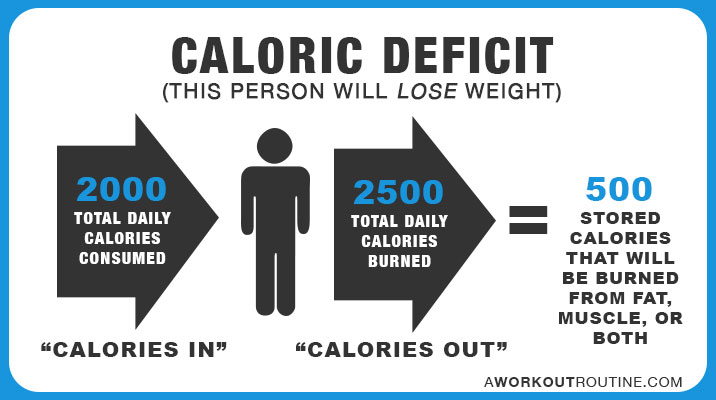 community.myfitnesspal.comweight caloric surplus maintenance calories loss muscle calorie deficit many should eat maintain lose gain diet burn than consume body
How many calories should i eat to have a calorie deficit. Deficit calories lose maintain. How to calculate your calorie deficit